International colleges
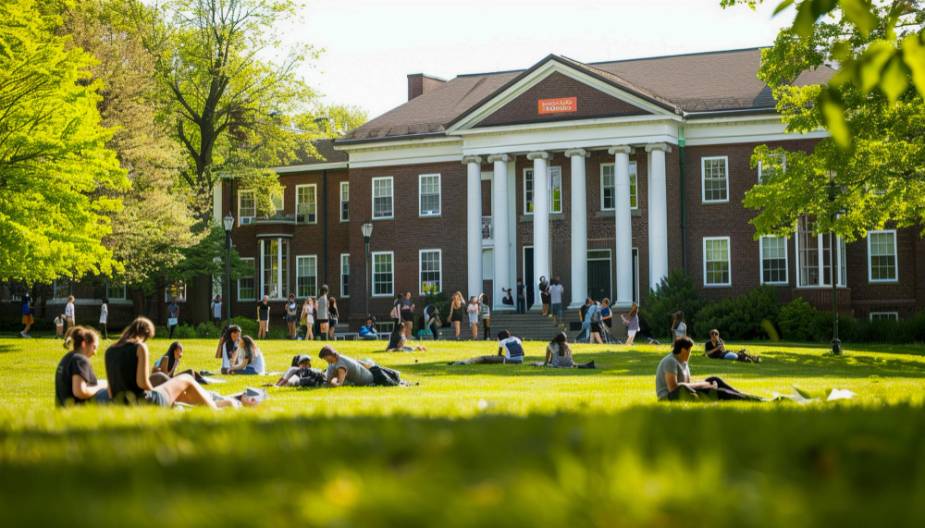
Leading international colleges abroad provide an effective pathway to university admission and global careers. They allow students to immerse themselves in a new academic and cultural environment while gaining practical skills and qualifications in a relatively short time. Often known as Sixth Form or Tutorial Colleges, these institutions prepare students for key programmes such as GCSE, A-level, BTEC, and Foundation courses, typically completed in 1–2 years.
Globally, international education continues to expand, with over 7 million students studying abroad, and pathway programmes like foundation courses significantly increasing university admission rates. In many cases, up to 80% of students from international colleges progress to universities, especially in the UK, Europe, and North America.
International colleges are usually attended by students aged 15–19 and serve as a bridge between school and university. Compared to traditional schools, they offer smaller class sizes (often 2–8 students), more focused academic preparation, and flexible subject choices tailored to future career goals. The learning approach is intensive and results-oriented, with less emphasis on extracurricular activities and more on academic achievement.
One of the key advantages is cost efficiency: studying at a college can be 30–50% cheaper than university tuition, while still providing a recognized qualification and strong progression opportunities. Many colleges have partnerships with universities, allowing students to transfer directly into the first or second year of a degree programme based on their results.
Popular study destinations include the UK, USA, Canada, and European countries, where colleges offer a wide range of subjects such as business, IT, engineering, and creative fields. Some institutions also provide bachelor’s degrees, making them a flexible and affordable alternative to universities.
When choosing a college, students should consider programme content, progression opportunities, teaching quality, and partnerships with universities rather than focusing only on rankings. The right international college can significantly improve academic performance, language skills, and chances of entering a top university while building a strong foundation for a future career.